







Breast Cancer Treatment
Breast cancer is a malignant growth that develops in the breast tissue, most commonly in the ducts or lobules. It can occur in both women and, more rarely, in men. Early signs may include a lump in the breast, changes in breast shape or size, nipple discharge, or skin dimpling. Regular self-examinations, mammograms, and clinical screenings are essential for early detection, which significantly improves treatment outcomes and survival rates.Dr. Harish Ravoori, the Best Breast Cancer Doctor in Khammam, provides comprehensive and personalized care for breast cancer with a focus on early diagnosis and advanced treatment.
Treatment for breast cancer depends on the type, stage, and individual patient factors. Dr. Harish Ravoori, Top Cancer Doctor in Khammam, provides personalized breast cancer treatment plans tailored to each patient's specific condition and needs. Options may include surgery (lumpectomy or mastectomy), chemotherapy, radiation therapy, hormone therapy, and targeted biological treatments. A multidisciplinary team of oncologists, surgeons, radiologists, and support specialists works together to provide personalized care. Early diagnosis, timely intervention, and continuous follow-up care are crucial for effective management and improving long-term health and quality of life for patients with breast cancer.
Types of Breast Cancer
1. Invasive Ductal Carcinoma (IDC)
This is the most common form of breast cancer. It starts within the milk ducts then invades around breast tissue. The cancer has the ability to spread into other parts of the body. Dr. Harish Ravoori, provides advanced diagnosis and personalized treatment for invasive breast cancer.
2. Invasive Lobular Carcinoma (ILC)
Lobules that produce milk are where this type begins. Because it tends to spread in a linear pattern, detecting it early on imaging is slightly harder.
3. Ductal Carcinoma in Situ (DCIS)
It is a type of cancer in which cells stay inside the ducts. It is highly treatable because screening often catches it early.
4. Triple-Negative Breast Cancer (TNBC)
Estrogen and progesterone plus HER2 receptors are absent within this aggressive type. It is usually treated by chemotherapy and it is more common for younger women.
5. HER2-Positive Breast Cancer
Within this subtype, cancer cells produce too much HER2 protein, this overproduction then causes rapid growth. Targeted therapies can be effective here.
6. Inflammatory Breast Cancer (IBC)
A rare, fast-growing cancer does not always form as a lump. It induces warmth, inflammation, and a flushed look. These signs are often confused with infection.
7. Paget’s Disease of the Nipple
This form, which is uncommon, affects both the nipple and the areola skin and even begins in nipple ducts. Itching, burning, and even discharge may be symptoms.
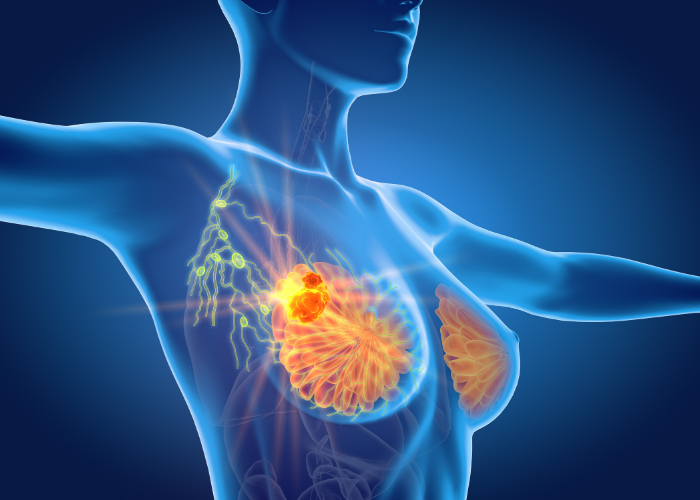
Diagnostic Approach by Dr. Harish Ravoori

Clinical Breast Examination
A hands-on physical exam to check for any lumps, skin dimpling, or nipple changes. It helps determine whether further imaging is needed.
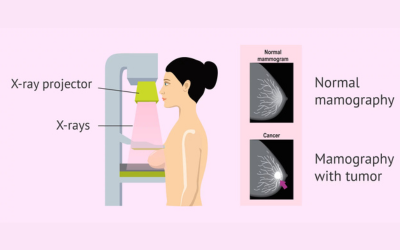
Mammography
The breast can be examined by the use of an X-ray. This method can detect tumors too small to feel. It’s especially effective for women over 40 as a primary screening tool.
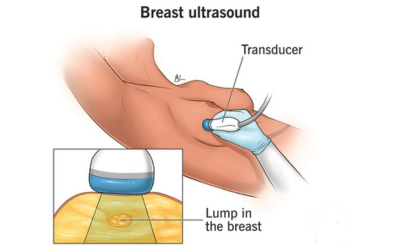
Breast Ultrasound
Used to differentiate solid masses from fluid-filled cysts. It’s especially helpful for women with dense breast tissue and is recommended by Dr. Harish Ravoori for the accurate diagnosis of breast conditions.
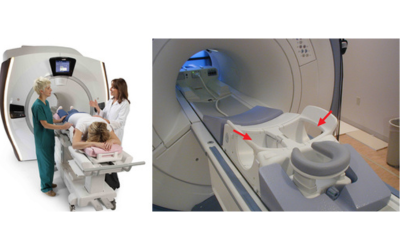
MRI of the Breast
Provides detailed images using magnetic fields and is ideal for high-risk individuals or ambiguous mammogram results.
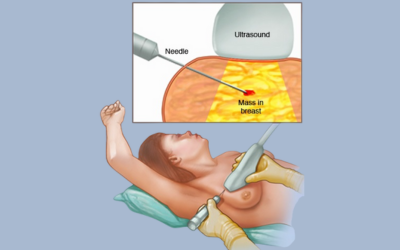
Core Needle Biopsy / FNAC
A small tissue sample from the spot is needed. This confirms if the lump is cancerous. Also, it aids in identifying its type.
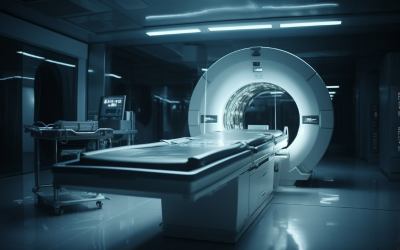
PET-CT / Bone Scan
These advanced imaging tests are used to check if cancer has spread to other organs or bones, especially in later stages.
Frequently asked questions
Schedule a clinical breast exam and imaging tests, such as a mammogram or ultrasound, to initiate the diagnostic process.
A biopsy is the only definitive way to determine if a lump is malignant—it examines the tissue under a microscope to confirm the diagnosis.
Not always. Depending upon the diagnosis, doctors can manage some early-stage or hormone-sensitive cancers by way of non-surgical therapies.
No. While rare, breast cancer can also occur in men and requires prompt evaluation.