






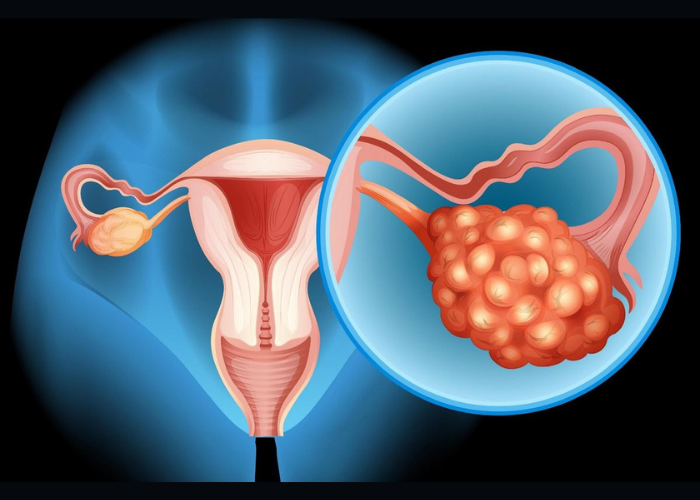
Ovarian Cancer Treatment
Ovarian cancer is one of the most intricate and often underdiagnosed malignancies affecting women worldwide. It accounts for approximately 3.4% of all cancers in women globally, and in India, it’s among the top five most common cancers affecting the female reproductive system. Unfortunately, the early signs—bloating, fatigue, or subtle abdominal discomfort—can be mistaken for minor issues, causing a delay in detection. Dr. Harish Ravoori, Best Ovarian Cancer Specialist in Khammam , provides advanced diagnostic evaluation and personalized treatment for ovarian cancer.
Ovarian cancer is a malignant condition that develops in the ovaries, which are part of the female reproductive system and play a key role in hormone production and egg release. It is often referred to as a “silent cancer” because early symptoms are usually vague and may go unnoticed. Common symptoms include abdominal bloating, pelvic or abdominal pain, early fullness after eating, changes in bowel habits, frequent urination, and unexplained weight loss or gain. Risk factors include increasing age, family history of ovarian or breast cancer, genetic mutations such as BRCA1 and BRCA2, and certain reproductive factors.
Diagnosis of Ovarian Cancer
Getting the diagnosis right is the first and perhaps the most important—step. Ovarian cancer diagnosis usually includes a combination of clinical assessment, imaging, and laboratory work, a structured diagnostic approach followed by Dr. Harish Ravoori, Best Cancer Physician in Khammam.
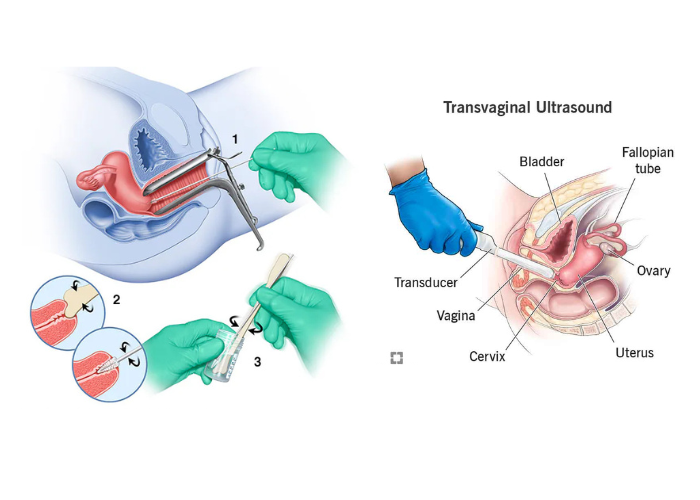
1. Pelvic Exam: A standard and essential step to identify any masses or abnormalities.
2. Ultrasound (Transvaginal & Abdominal): Assists in identifying cysts or solid tumors on the ovaries.
3. CA-125 Blood Test: Measures cancer antigen 125, which can be elevated in ovarian cancer.
4. CT Scan/MRI: Provides high-resolution imaging to evaluate extent of tumor within the pelvis and abdomen.
5. PET Scan: Useful for staging advanced disease and planning surgery.
6. Laparoscopy: A minimally invasive surgical procedure allowing direct visualization and biopsy of the tumor.
Staging of Ovarian Cancer
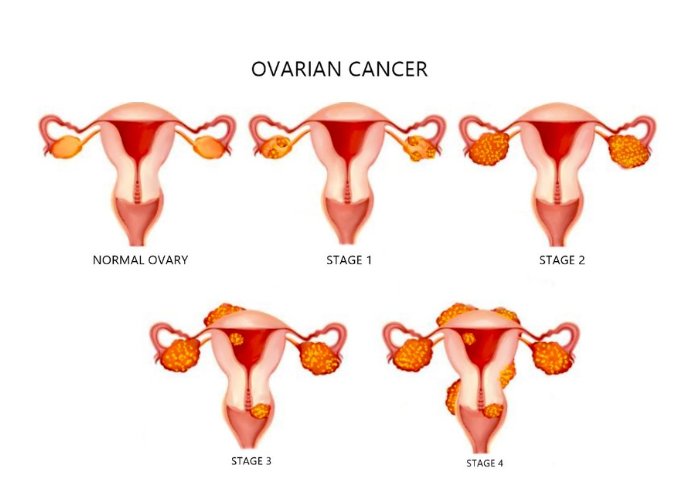
Stage I
Cancer is found in one or both ovaries but hasn’t spread beyond them (Often caught during unrelated procedures or early imaging.)
Stage II
The cancer has moved beyond the ovaries to other pelvic structures like the uterus, fallopian tubes, bladder, or rectum.
Stage III
Cancer has spread to the abdominal cavity—especially the lining (peritoneum) or nearby lymph nodes. This is one of the most commonly diagnosed stages in India.
Stage IV
The most advanced stage—when the cancer has reached distant organs such as the liver, lungs, or the area around the diaphragm.
Frequently asked questions
Yes, especially when detected early and treated promptly with surgery and chemotherapy. Even in advanced stages, long-term remission is possible with expert care.
Most women receive 3 to 6 cycles over a period of about 3 to 6 months, depending on the stage and response to treatment.
Yes, recurrence is possible—particularly in advanced stages—but it can usually be controlled with further treatment and maintenance chemotherapy.
Recovery typically takes 4–6 weeks for open surgery and 2–3 weeks for minimally invasive procedures like laparoscopy or robotic surgery.