






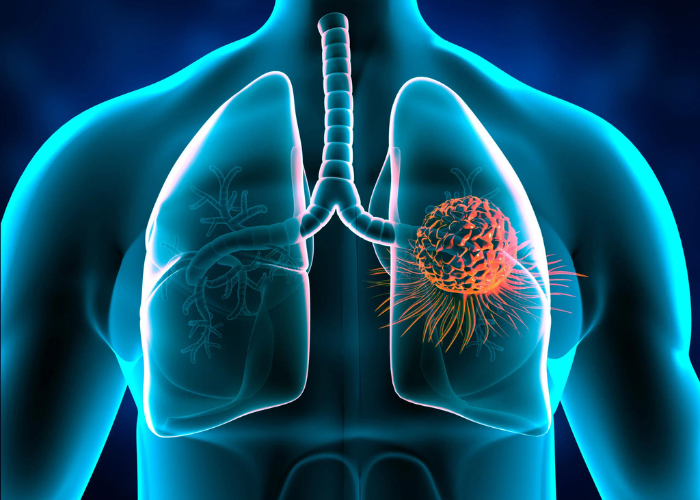
Lung Cancer Treatment
Lung cancer is a serious condition that develops when abnormal cells grow uncontrollably in the lungs, most commonly linked to smoking, tobacco exposure, and long-term contact with environmental pollutants. It may also occur in non-smokers due to genetic factors or passive smoke exposure. Early symptoms can include persistent cough, chest pain, shortness of breath, coughing up blood, unexplained weight loss, and recurrent respiratory infections, and is managed with expert care by Dr. Harish Ravoori, Best Lung Cancer Doctor in Khammam.
Treatment of lung cancer depends on the cancer type, stage, and the patient’s overall health. Common treatment options include surgery, chemotherapy, radiation therapy, targeted therapy, and immunotherapy. A multidisciplinary team approach ensures personalized treatment planning, focusing on effective disease control while preserving lung function and quality of life. Timely medical care, lifestyle modifications, and regular follow-up are essential for better outcomes and long-term management of lung cancer.
Types of Lung Cancer Treated by Dr. Harish Ravoori
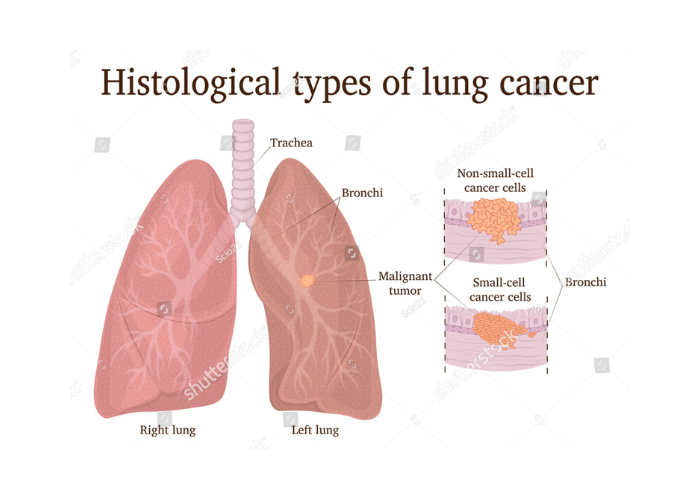
Not all lung cancers are the same, and knowing the type helps in tailoring the right treatment plan. Broadly, there are two main categories:
1. Non-Small Cell Lung Cancer (NSCLC):
2. Small Cell Lung Cancer (SCLC):
3. Other Rare Types:
Advance Lung Cancer Treatment Services by Dr. Harish Ravoori
Modern cancer care has evolved rapidly, offering hope where there once was little. Dr. Harish Ravoori, Best Cancer Physician in Khammam, offers a full spectrum of services designed to support patients from diagnosis through recovery. These include:
High-Precision Diagnostics:
PET scans, biopsies, and genetic testing to confirm the diagnosis and understand tumor biology.
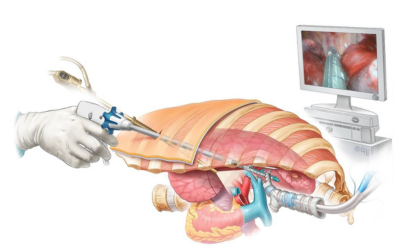
Minimally Invasive Surgery:
When surgery is necessary, techniques like VATS (Video-Assisted Thoracic Surgery) minimize recovery time.
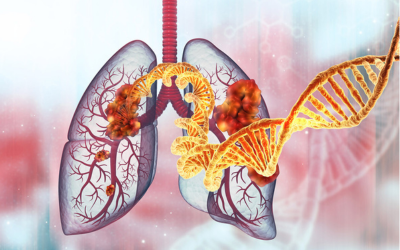
Targeted Therapy:
Medications that focus on specific genetic mutations in cancer cells, reducing harm to healthy cells.
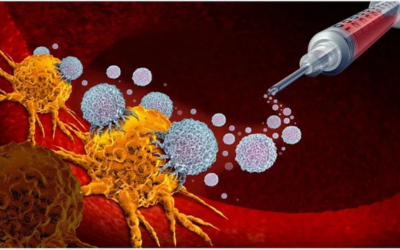
Immunotherapy:
Boosting the body’s immune system to recognize and attack cancer cells.
Palliative Care:
Focused on symptom relief and improving quality of life at every stage of treatment.
Frequently asked questions
Early signs may include- chest pain, coughing up blood, persistent cough, shortness of breath, unexplained weight loss, wheezing, frequent respiratory infections Many dismiss these as minor issues, but they warrant medical attention.
Advanced cases may require a combination of chemotherapy, targeted therapy, immunotherapy, and palliative care to manage symptoms and improve quality of life.
Yes. For patients unfit for surgery, options like radiation therapy, targeted therapy, and immunotherapy can be effective alternatives.
Unfortunately, recurrence is possible. Regular follow-ups and monitoring scans are critical in detecting relapse early.