






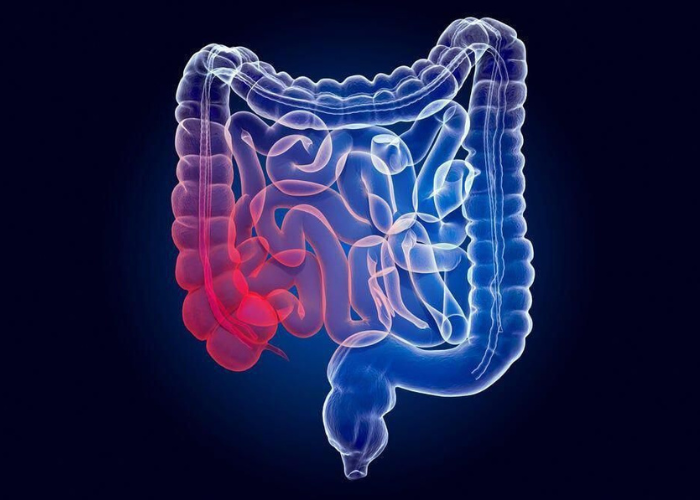
Colorectal Cancer Treatment
Colorectal cancer starts in the lining of your colon or rectum. Bad cells grow there. It often starts as small bumps. Over time, some of these polyps can become cancerous. Factors like age, family history, chronic digestive issues, and poor dietary habits increase the risk. Dr. Harish Ravoori, Best Colorectal Cancer Doctor in Khammam, offers advanced diagnosis and personalized treatment for colorectal cancer.
Colorectal cancer treatment has evolved with the integration of advanced diagnostic tools, minimally invasive surgical techniques, and multidisciplinary care. Colorectal cancer, which affects the colon or rectum, accounts for nearly 10% of all cancer cases worldwide, making it one of the most commonly diagnosed cancers globally. Early detection and timely treatment are critical to improving survival rates and long-term outcomes.
Advanced Colorectal Cancer Treatment Options
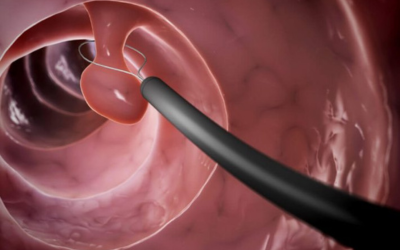
Polypectomy and Local Excision
If the cancer is in a very early stage, doctors take out the bumps during a colonoscopy. This stops the cancer from spreading. This minimally invasive procedure does not require a large incision and is offered by Dr. Harish Ravoori, Best Senior Oncologist in Khammam.
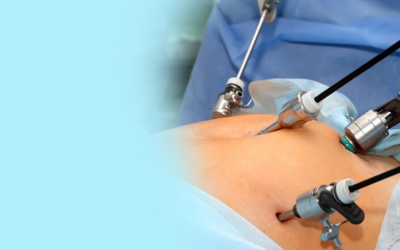
Laparoscopic Surgery
Doctors make small cuts. They use tools and a camera. They take out the cancerous issue. Laparoscopic surgery typically results in less pain, minimal scarring, faster recovery, and a shorter hospital stay compared to traditional open surgery.
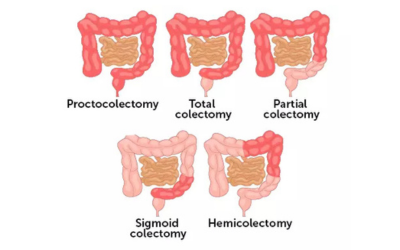
Colectomy (Partial or Total)
Doctors take out the affected part of your colon. If the cancer has spread extensively, a total colectomy may be necessary. In both cases, your body can still digest food.
Frequently asked questions
Doctors use surgery to take out the cancer. They use medicine to kill cancer cells. They use rays to kill cancer cells. They use special drugs. They use your body’s power to fight cancer. What they do depends on how bad the cancer is. It depends on where it is. It depends on how healthy you are. This helps you get better.
Eat food with lots of fiber. Exercise. Do not smoke. Do not drink too much alcohol. Keep your weight good. Get checked after you are 45. Getting a colonoscopy helps find problems early. This helps stop cancer.
Your poop might change. You might see blood in your poop. You might lose weight. Your belly might hurt. You might feel full. You might feel tired. You might feel weak. You might feel like you do not have enough blood. See a doctor right away.
Treatment can make you tired. Your poop might change. You might need to change your food. Most people feel better after treatment. They can do normal things again. Doctors help you with side effects. They check on you.