







Gastrointestinal Cancer
Gastrointestinal cancers are malignancies that affect the digestive system, including the esophagus, stomach, liver, pancreas, intestines, and colon. These cancers can develop silently, with symptoms such as unexplained weight loss, persistent abdominal pain, difficulty swallowing, nausea, vomiting, or changes in bowel habits, and are diagnosed and managed with expert care by Dr. Harish Ravoori, Top Gastrointestinal Cancer Doctor in Khammam.
Treatment for gastrointestinal cancers depends on the cancer type, stage, and overall health of the patient. Options include surgery to remove tumors, chemotherapy, radiation therapy, and targeted or immunotherapy for advanced cases.
Types of Gastrointestinal Cancers Treated by Dr. Harish Ravoori
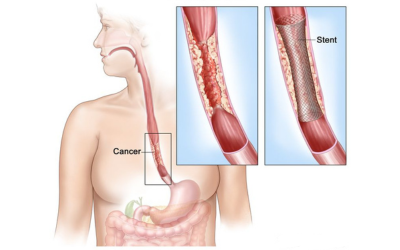
Esophageal Cancer
Occurs in the tube linking your throat to your stomach. Symptoms can include trouble swallowing and unintentional weight loss, reated under the expert care of Dr. Harish Ravoori, Cancer Care Specialist in Khammam.
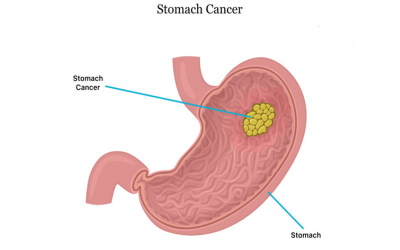
Stomach (Gastric) Cancer
Forms in the stomach lining and tends to have bloating, indigestion, and nausea.
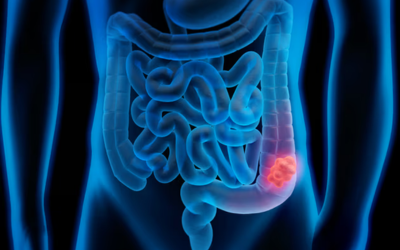
Colorectal Cancer
Encompasses cancers of the colon and rectum. It’s one of the most prevalent GI cancers and tends to begin as benign polyps.
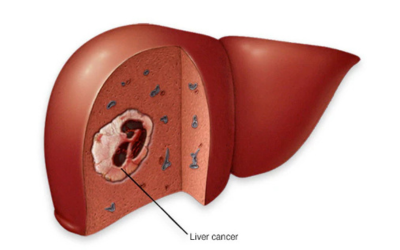
Liver Cancer
Can be caused by chronic hepatitis or cirrhosis. Usually asymptomatic in initial stages but curable if diagnosed early.
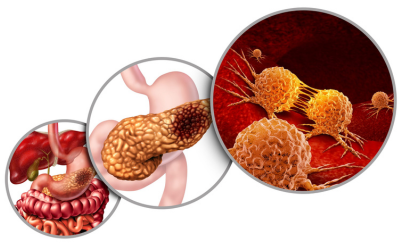
Pancreatic Cancer
Aggressive in nature, tends to impair digestion and blood glucose levels..
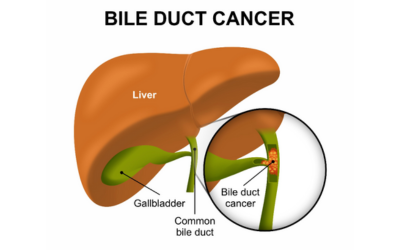
Gallbladder & Bile Duct Cancer
Rare but serious, usually detected when undergoing imaging for other reasons.
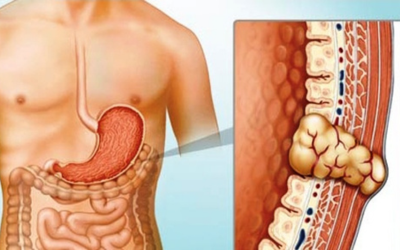
Gastrointestinal Stromal Tumors (GISTs)
Rare tumors that begin in the walls of the GI tract and may require targeted therapies.
Diagnostic Services Offered by Dr. Harish Ravoori
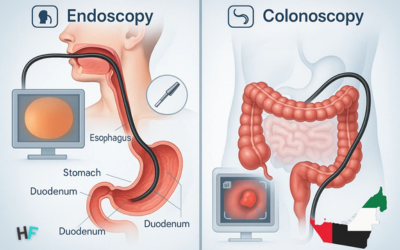
Endoscopy & Colonoscopy
These tests involve a thin, flexible tube with a camera to see inside the digestive tract and identify abnormalities before they become serious. Direct visualization of inner structures enables the identification of tumors at early stages, and these procedures are performed under the expert care of Dr. Harish Ravoori.
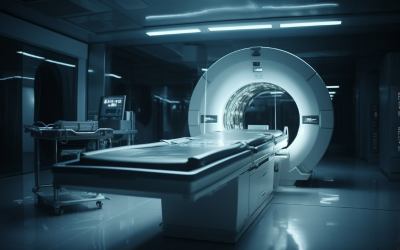
Imaging (CT/MRI/PET)
Advanced imaging techniques create detailed pictures that help determine the exact location, size, and stage of the tumor. High-resolution scans help in accurate staging and surgical planning.
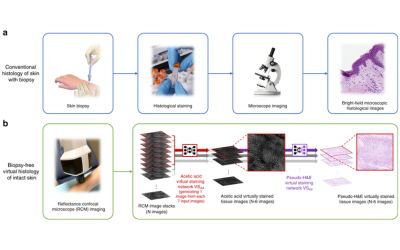
Biopsy & Histopathology
Tissue is seen under a microscope to ensure cancer and learn about its nature and aggressiveness. Tissue examination establishes diagnosis and directs treatment.
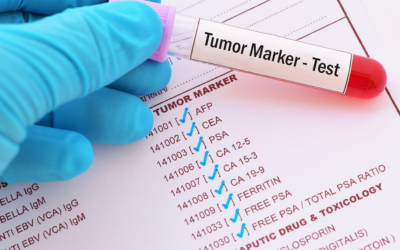
Tumor Markers
Individual proteins in the blood can indicate the presence of specific cancers and monitor treatment response. Blood tests to identify certain proteins associated with specific cancers.
Genetic Testing
This assists in the detection of inherited gene mutations associated with GI cancers and individualizing treatment accordingly. Assists in the identification of hereditary cancer risk and individualizing targeted therapies.
Frequently asked questions
Risk factors include smoking, excessive alcohol use, unhealthy diet, obesity, family history, chronic inflammation, infections like H. pylori, and certain genetic conditions.
Many GI cancers can be prevented by healthy lifestyle choices, such as a balanced diet, regular exercise, avoiding tobacco and alcohol, and managing infections and inflammation.
The prognosis depends on the cancer type, stage at diagnosis, and overall health. Early detection generally leads to better outcomes.
Screening should typically begin at age 45-50 for average-risk individuals, with colonoscopies performed every 10 years or as recommended by a doctor based on individual risk.