






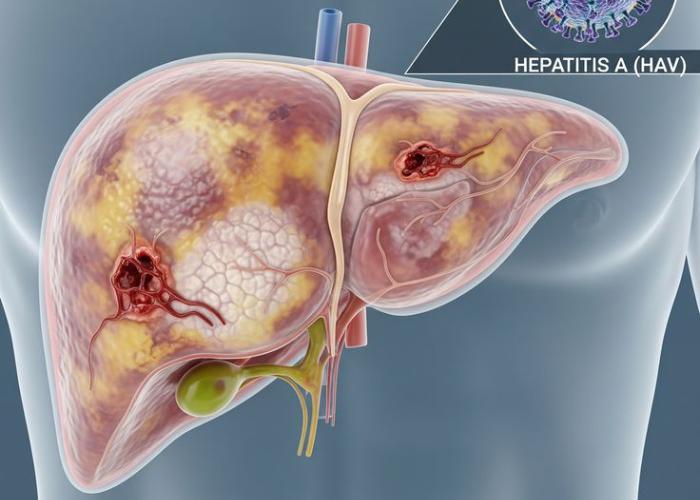
Hepatobiliary Cancer Treatment
Hepatobiliary cancers develop in the liver, gallbladder, and bile ducts—organs that are essential for digestion and metabolism. These cancers are often diagnosed late because early warning signs such as abdominal discomfort, jaundice, or unexplained weight loss may go unnoticed. In India, liver cancer alone ranks among the top ten causes of cancer-related deaths, underlining the need for timely and effective care.
Hepatobiliary cancers affect organs crucial to the body’s functions. The challenge is not just removing the tumor but protecting liver health. With early diagnosis and advanced surgical care provided by Dr. Harish Ravoori, Best Hepatobiliary Cancer Specialist in Khammam, patients can achieve outcomes that were once considered difficult.
Types of Hepatobiliary Cancer Treated by Dr. Harish Ravoori
Dr. Harish Ravoori regularly treats a wide range of hepatobiliary malignancies. Here are the most common ones:
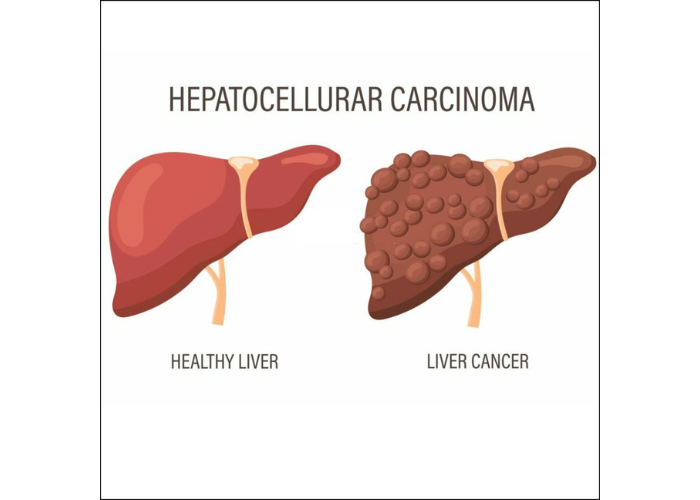
1. Hepatocellular Carcinoma (HCC)
The most prevalent type of primary liver cancer—often linked to hepatitis B/C or cirrhosis.
2. Gallbladder Cancer
It is often diagnosed late but treatable with surgery when caught early.
3. Cholangiocarcinoma
Also known as bile duct cancer, this is rare but aggressive. It can occur inside (intrahepatic) or outside (extrahepatic) the liver.
4. Secondary Liver Metastases
Liver is a common site for metastasis from colorectal, pancreatic, or breast cancers.
Treatment Options for Hepatobiliary Cancer Treated by Dr. Harish Ravoori
Treatment for hepatobiliary cancers depends on the type, stage, and overall health of the patient. Dr. Harish Ravoori , Medical Oncology Specialist in Khammam , offers a comprehensive range of treatments designed to control disease while preserving liver function as much as possible.
Surgical Resection
When the cancer is confined to the liver or bile ducts, surgery is often the first choice. Dr. Harish Ravoori performs both open and minimally invasive resections. Robotic and laparoscopic surgeries are usually preferred because they reduce pain, shorten hospital stay, and support quicker recovery.
Liver Transplantation
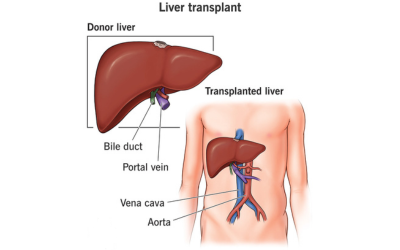
In advanced cases where the liver is badly damaged, transplantation may be the most effective option. Dr. Harish Ravoori collaborates with specialized transplant teams to provide seamless, integrated care.
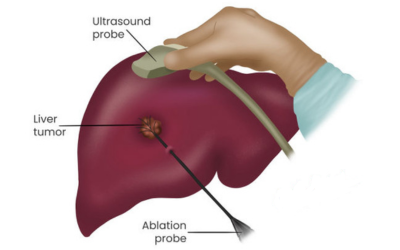
Ablative Therapies
Procedures such as Radiofrequency Ablation (RFA) and Microwave Ablation are used to destroy smaller tumors in patients who may not be fit for surgery.
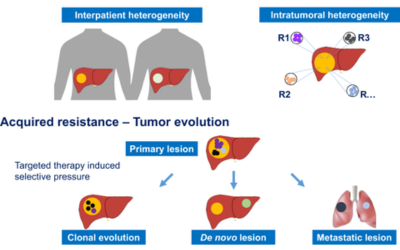
Targeted Therapy and Immunotherapy
In advanced stages, modern drugs or immune checkpoint inhibitors help slow disease progression and improve survival.
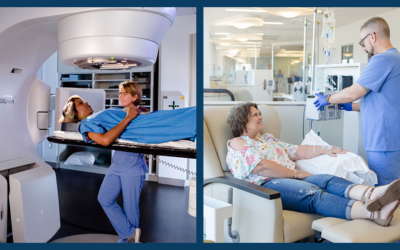
Chemotherapy and Radiotherapy
These are generally recommended for bile duct cancers (cholangiocarcinoma) or cancers that have spread to other areas, often in combination with surgery for maximum benefit.
Frequently asked questions
Hepatocellular carcinoma, a type of liver cancer, is the most common type seen in India.
It is diagnosed using blood tests, imaging (CT, MRI, ultrasound), and biopsy to confirm the presence of cancer.
Avoid alcohol, quit smoking, manage obesity, control diabetes, and get vaccinated against hepatitis B. A healthy diet and regular liver check-ups go a long way.
Yes, recurrence is possible. Regular follow-ups and monitoring are essential to detect and manage it early.