







Head & Neck Cancer
Head and neck cancer refers to a group of biologically similar cancers originating in the mouth, throat, voice box, salivary glands, and thyroid. These cancers often share common risk factors like tobacco, alcohol, and HPV infections. Initial symptoms may be subtle, such as a persistent sore throat, trouble swallowing, or a lump in the neck; therefore, timely evaluation is essential. Dr. Harish Ravoori, Top Head & Neck Cancer Doctor in Khammam , specializes in the early diagnosis and advanced treatment of head and neck cancers.
Early detection plays a crucial role in improving outcomes for head and neck cancers. Regular screenings, especially for individuals with known risk factors, can help catch signs before they progress. Awareness of symptoms and seeking medical advice promptly can make a significant difference in the course of treatment and recovery.
Common Types of Head and Neck Cancers Treated by Dr. Harish Ravoori
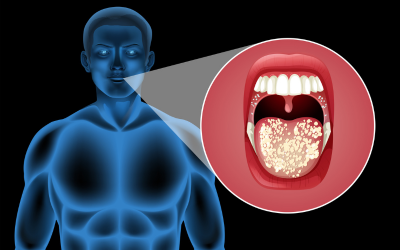
Oral Cavity Cancer
This includes cancers of the mouth, tongue, lips, and gums. It’s one of the most prevalent cancers in India and often requires a delicate balance of tumor removal and cosmetic-functional preservation, an approach emphasized by Dr. Harish Ravoori, Best Cancer Treatment Doctor in Khammam.
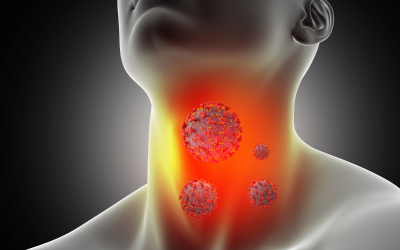
Throat Cancer
These cancers can affect speech and swallowing. Depending on the site (pharynx or larynx), treatment may involve voice-preserving surgical options combined with radiotherapy or chemotherapy.
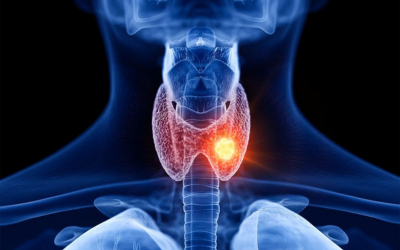
Thyroid Cancer
Usually presenting as a lump in the neck, thyroid cancers are often curable with surgery and may require radioiodine therapy. Dr. Harish ensures nerve-sparing, function-focused procedures.
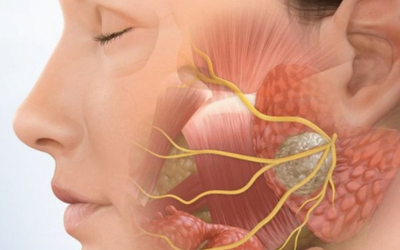
Parotid Cancer
Arising from the salivary glands, parotid tumors need precise surgery to protect facial nerves while ensuring complete cancer removal.
Treatment Options for Head and Neck Cancer
Surgical Treatments: Types of Head and Neck Cancer Surgery
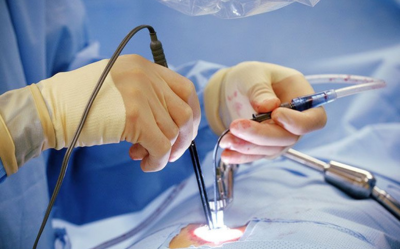
Minimally Invasive Surgery
This technique uses small incisions and specialized instruments—resulting in less pain, faster head and neck cancer recovery, and minimal scarring. It’s ideal for selective early-stage tumors or hidden cancers deep in the throat or nasal passages.
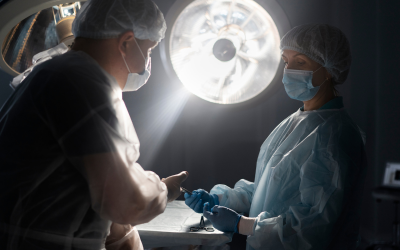
Tumor Resection Surgery
Here, the surgeon removes the primary cancerous growth along with a margin of healthy tissue. The goal is to completely eliminate the tumor while preserving as much function as possible, especially in areas like the tongue or vocal cords, a treatment approach offered by Dr. Harish Ravoori.
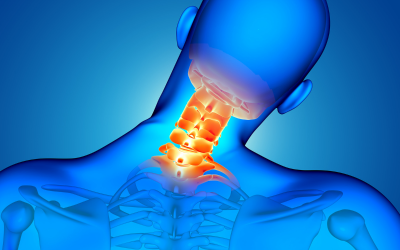
Neck Dissection
If cancer has spread to nearby lymph nodes, neck dissection helps prevent further spread. The surgery is tailored to each patient, balancing cancer control with nerve preservation for better post-op function.
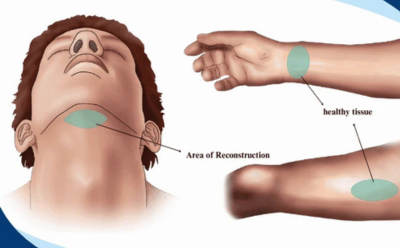
Microvascular Reconstruction Surgery
After tumor removal, reconstruction is done using tissue (skin, muscle, bone) from other body parts. These tissues are reconnected with tiny blood vessels under a microscope, restoring appearance and essential functions like speech and swallowing.
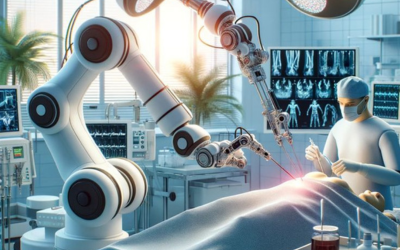
Robotic-Assisted Surgery
This method, using robotic arms controlled by the surgeon, offers unmatched precision, especially in tight spaces like the throat. It reduces trauma, speeds up healing, and allows for better access to tumors in delicate regions.
Non-Surgical Treatments
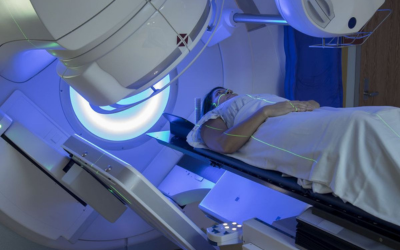
Radiation Therapy
High-energy rays are used to kill or shrink cancer cells. It is sometimes given after surgery or as a primary treatment if surgery isn’t possible.
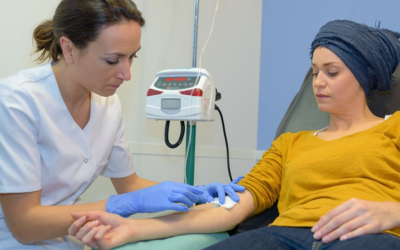
Chemotherapy
This systemic treatment employs drugs to destroy cancer cells. It’s sometimes used with radiation (chemoradiation) in advanced stages or before surgery to reduce large tumors.
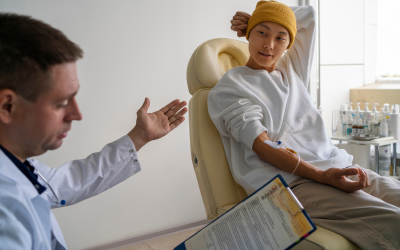
Targeted Therapy & Immunotherapy
Targeted drugs block specific cancer cell mechanisms, while immunotherapy boosts the body’s own defenses to fight the disease. These cutting-edge options are especially effective in recurrent or metastatic head and neck cancers.
Frequently asked questions
Side effects can be fatigue, difficulty with swallowing, change of voice, dry mouth, or infection risks following surgery, depending on the modality.
Yes—particularly if diagnosed early. Advanced stages may still be well treated using a multimodal regimen.
Immunotherapy and robotic-assisted surgeries are among the most promising new options.
It depends. Early diagnosis improves survival many times—5-year survival rate is more than 70% for localized cancers.