






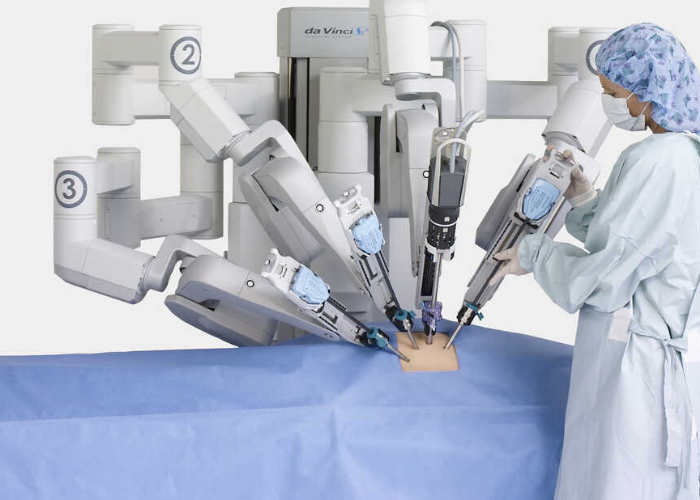
Robotic Cancer Surgery
Robotic cancer surgery is an advanced form of minimally invasive surgery that uses sophisticated robotic technology to assist surgeons in performing complex cancer procedures with enhanced precision and control. Through small incisions, the surgeon operates robotic arms equipped with high-definition 3D visualization and finely articulated instruments, allowing accurate removal of cancerous tissues while preserving surrounding healthy structures.
The benefits of robotic cancer surgery include reduced blood loss, minimal postoperative pain, smaller scars, and faster recovery compared to traditional open surgery. Patients often experience shorter hospital stays and a quicker return to daily activities. Most importantly, robotic surgery supports precise oncologic outcomes while maintaining patient safety, making it a valuable option in modern, personalized cancer care offered by Dr. Harish Ravoori, Best Robotic Cancer Surgeon in Khammam.
Types of Robotic Cancer Surgery Treated by Dr. Harish Ravoori
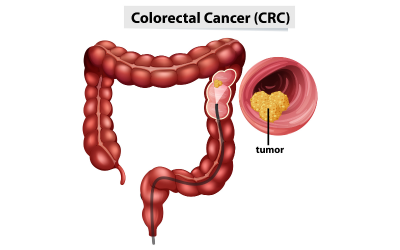
Colorectal Cancer
Robotic surgery allows for the precise removal of tumors from the colon or rectum with minimal incisions, reducing recovery time and post-operative pain. This technique ensures better visualization and access to hard-to-reach areas in the gastrointestinal tract make this an advanced treatment option offered by Dr. Harish Ravoori.
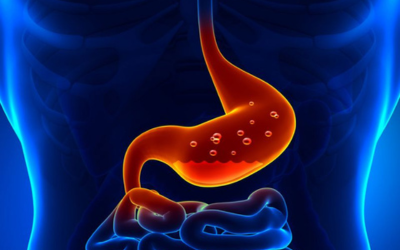
Gastrointestinal Cancer
In stomach, liver, and pancreas cancer, robotic surgery allows surgeons to conduct delicate procedures with greater accuracy. The minimally invasive procedure of such a surgery causes rapid recovery and minimal damage to the surrounding organs.
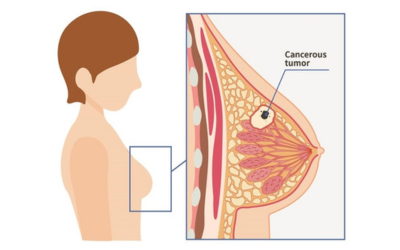
Breast Cancer
Robotic breast-conserving surgery allows for the removal of tumors with a focus on preserving as much healthy breast tissue as possible. This approach yields better cosmetic outcomes, resulting in smaller scars and reduced post-surgery pain.
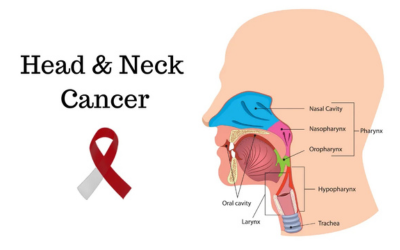
Head and Neck Cancer
Robotic surgery for head and neck cancers allows for the removal of tumors in delicate areas, such as the mouth, throat, and larynx, with greater precision. It also preserves important structures like nerves and blood vessels, which are critical for speech and swallowing.
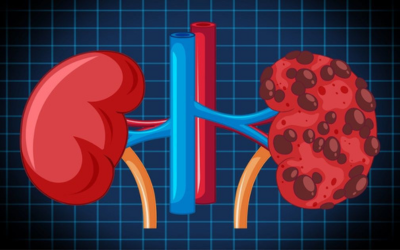
Urological Cancer
For cancers of the prostate, kidney, and bladder, robotic surgery is highly precise in removing a tumor with minimal interference with adjoining tissues. The process also tends to have a quicker recovery and fewer complications than conventional surgery.
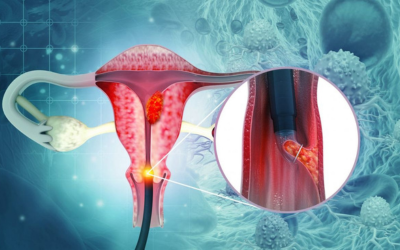
Gynecological Cancer
Robotic surgery is highly effective in treating cancers of the ovaries, uterus, and cervix. With smaller incisions and improved visualization, it allows for the removal of tumors while preserving fertility and enhancing recovery time for women under the expert care of Dr. Harish Ravoori, Best Cancer Surgeon in Khammam.
Frequently asked questions
Robotic surgery uses robotic arms controlled by the surgeon for greater precision and minimally invasive techniques, unlike traditional surgery, which often involves larger incisions.
While robotic surgery is generally safe, a thorough assessment by your oncologist will determine if it’s the right option for you based on your overall health and cancer type.
Recovery times are typically shorter than traditional surgery, with many patients resuming normal activities within a few weeks.
Post-surgery treatment depends on the type and stage of cancer. Your oncologist will advise on whether chemotherapy, radiation, or other treatments are necessary.